Ecological corridors
From modelling to implementation: The case of the isolated red deer population of Mount Parnitha
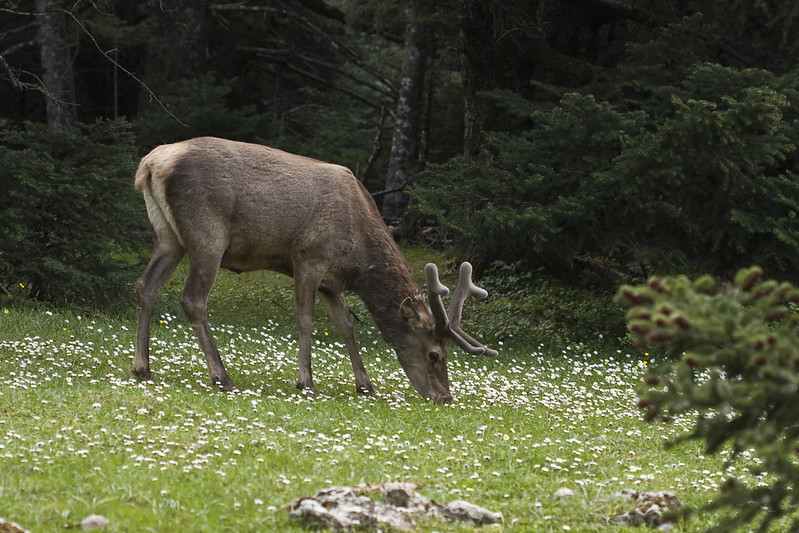
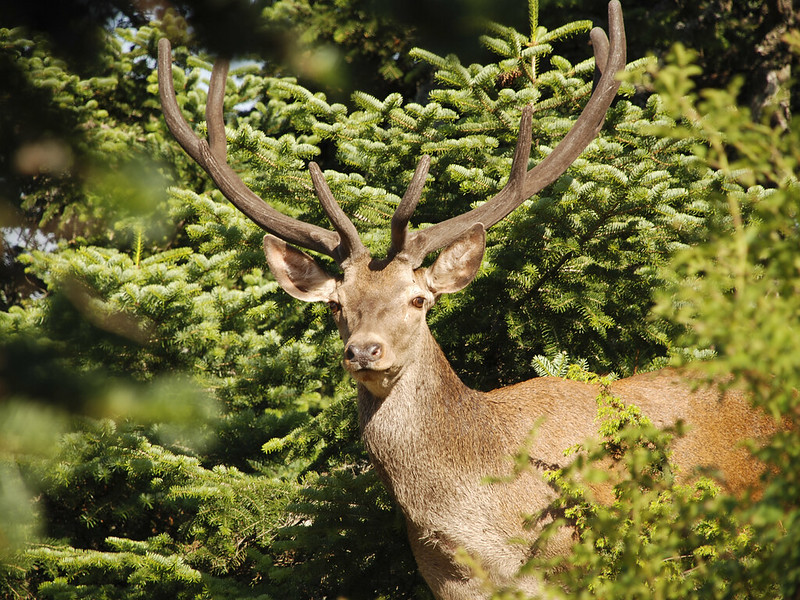
WWF Greece, in collaboration with the Forest Research Institute (ELGO-DIMITRA) and the environmental organisation for wildlife and nature Callisto, has launched a project to map ecological corridors, focusing on the red deer (Cervus elaphus) population in Mount Parnitha. Parnitha is the only area in Attica where this iconic species survives and one of only two locations in Greece that still host natural red deer populations. This geographic isolation makes the species particularly vulnerable, significantly increasing the risk of local extinction in the coming years. Establishing breeding populations in the surrounding mountains of Attica and Boeotia is therefore crucial for the species’ long-term survival. Although the population has the potential to expand naturally, thanks to the species’ adaptability, it appears to require targeted support, as this process has not yet occurred.
Ecological corridors are areas that function as natural bridges, enabling or facilitating the safe movement of wildlife across landscapes fragmented by human activities. These corridors may include rivers, streams, forest belts, coastlines, marine routes, or broader natural areas that provide suitable habitats for wildlife. Without them, many species become isolated, more vulnerable to threats, and face an increased risk of population decline or even extinction.
In the case of the red deer, the project initially focuses on assessing human pressures in the area, including the deployment of acoustic sensors to monitor hunting disturbance and competition with livestock grazing, as well as the use of GPS telemetry to study deer movements. These actions aim to better understand the factors that have so far restricted the species to Mount Parnitha and its surrounding areas.
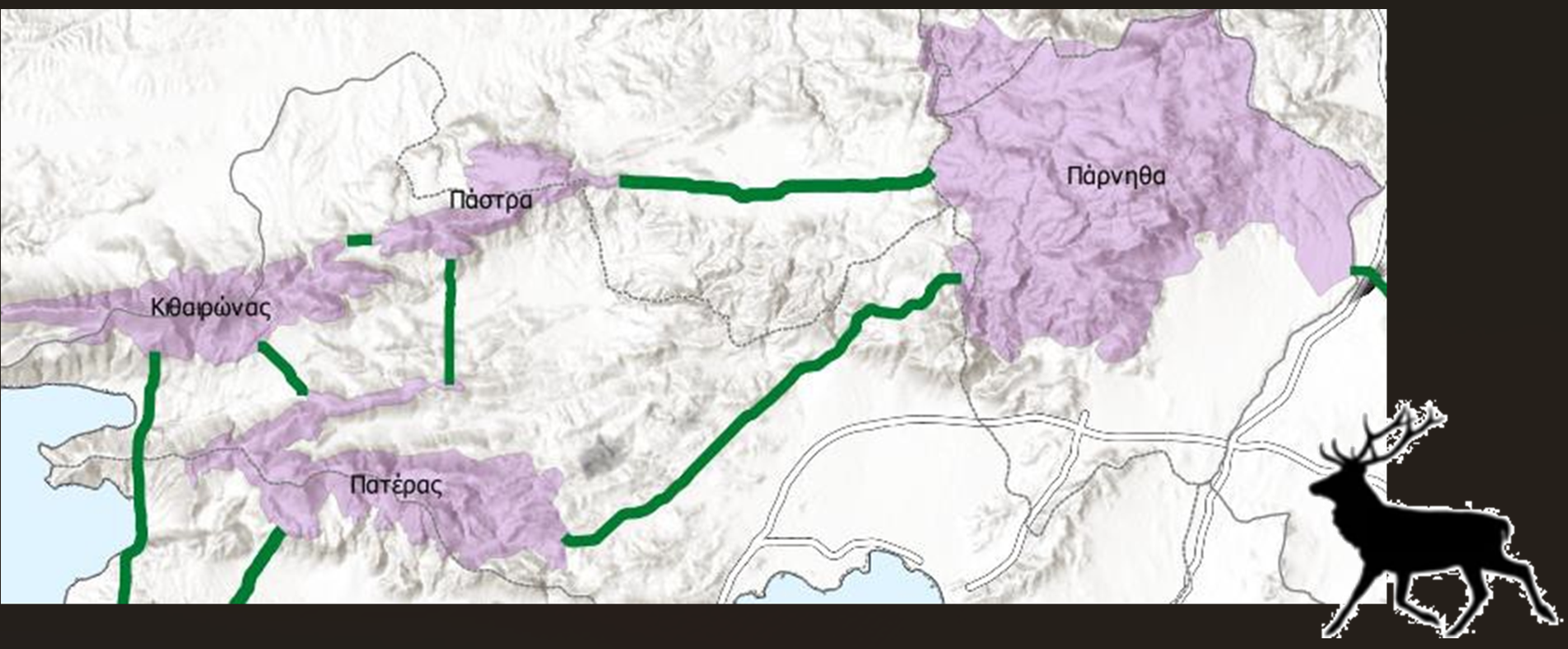
At the same time, the project seeks to strengthen ecological corridors and facilitate the natural expansion of the species towards Mount Pastra, Mount Pateras, and Mount Kithairon through low-impact, nature-based interventions. These include increasing the availability of natural forage through seeding and installing portable water troughs to provide water during the dry summer months. The project also places strong emphasis on raising awareness among local communities, reducing potential conflicts with agricultural activities—such as through the pilot installation of protective vineyard fencing—and strengthening cooperation with the competent authorities.
Project duration: 2025–2026
Total project budget: €360,000
Callisto budget: €85,650
The project is funded by WWF Greece as part of the Greek Wildlife Alliance initiative. The Greek Wildlife Alliance is a collaborative effort of 11 environmental non-governmental organisations working together to maximise the impact of their conservation work through a shared vision for the well-being of both wildlife and people. For more information, visit www.greekwildlifealliance.gr.
Photos and Logos